El Born is one of those neighbourhoods that has everything packed into less than a square kilometre. Medieval history, modernist architecture, the city’s best museums, great food and an authentic neighbourhood life that survives the tourism. It’s no coincidence that the Catalan saying goes “Roda el món i torna al Born” — travel the world and come back to El Born.
This guide is designed to make the most of the neighbourhood in a single day, with an hour-by-hour itinerary and recommendations that only those who work here every day would know.
Where to Start: El Born in the Morning
Mercat del Born and the Archaeological Site
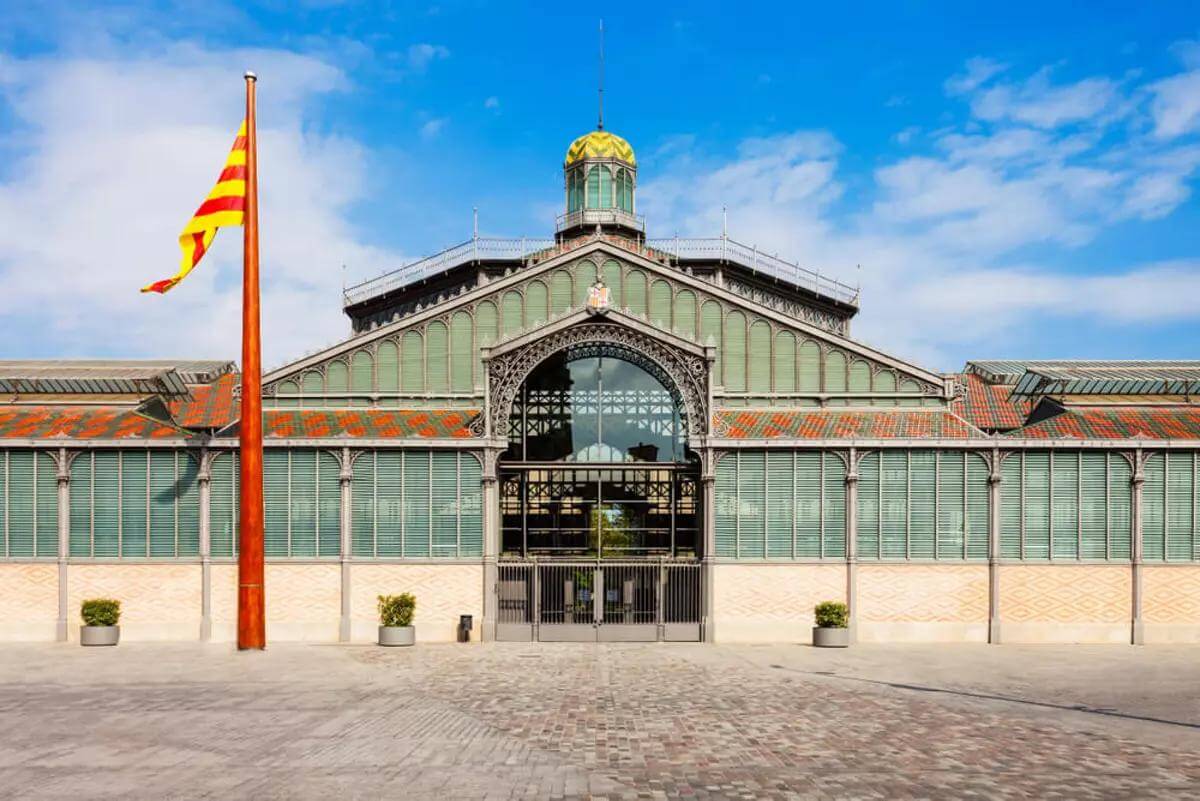
The best way to start the day in El Born is at the Mercat del Born, now home to the Born Centre de Cultura i Memòria. What looks like a 19th-century iron market actually hides one of Barcelona’s most important archaeological sites: the remains of the medieval city destroyed in 1714 after the War of Spanish Succession.
The visit is fascinating because you can literally see the streets, houses and everyday objects of Barcelona from 300 years ago beneath the iron floor of the market. One of those experiences you won’t forget.
Opening hours: Tuesday to Sunday, 10:00–20:00. Free entry to the archaeological area.
Picasso Museum
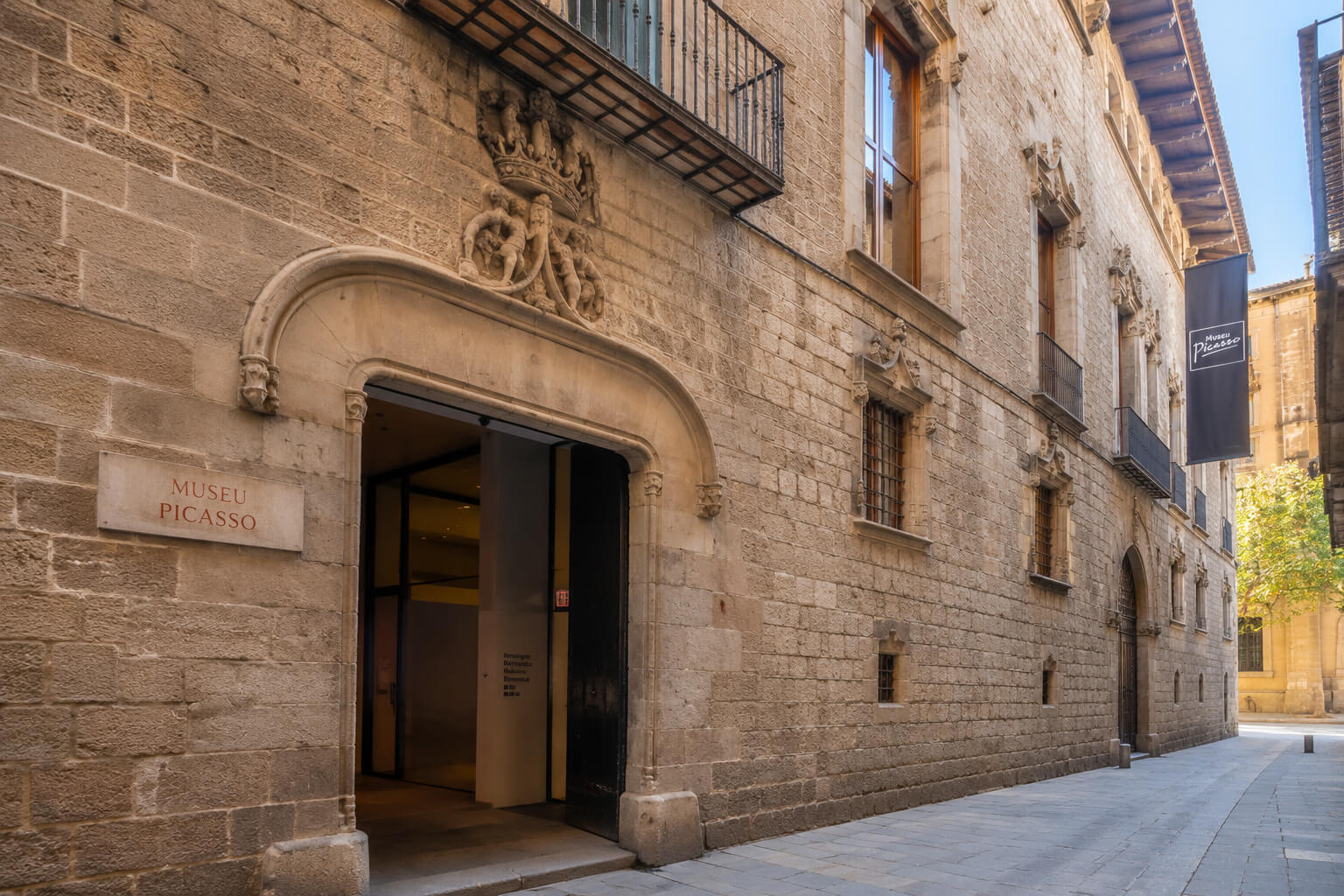
A short walk away, on Carrer de Montcada, is the Picasso Museum: one of the most comprehensive collections of the artist’s early works, housed across five 15th-century medieval palaces. Carrer Montcada itself is worth the visit — it is one of the best-preserved streets from medieval Barcelona.
Book your ticket in advance, especially during high season. Queues without a reservation can be very long.
Opening hours: Tuesday to Sunday, 10:00–19:00 (until 21:30 on Thursdays).
El Born in the Afternoon: the Best Time of Day
Basílica de Santa María del Mar
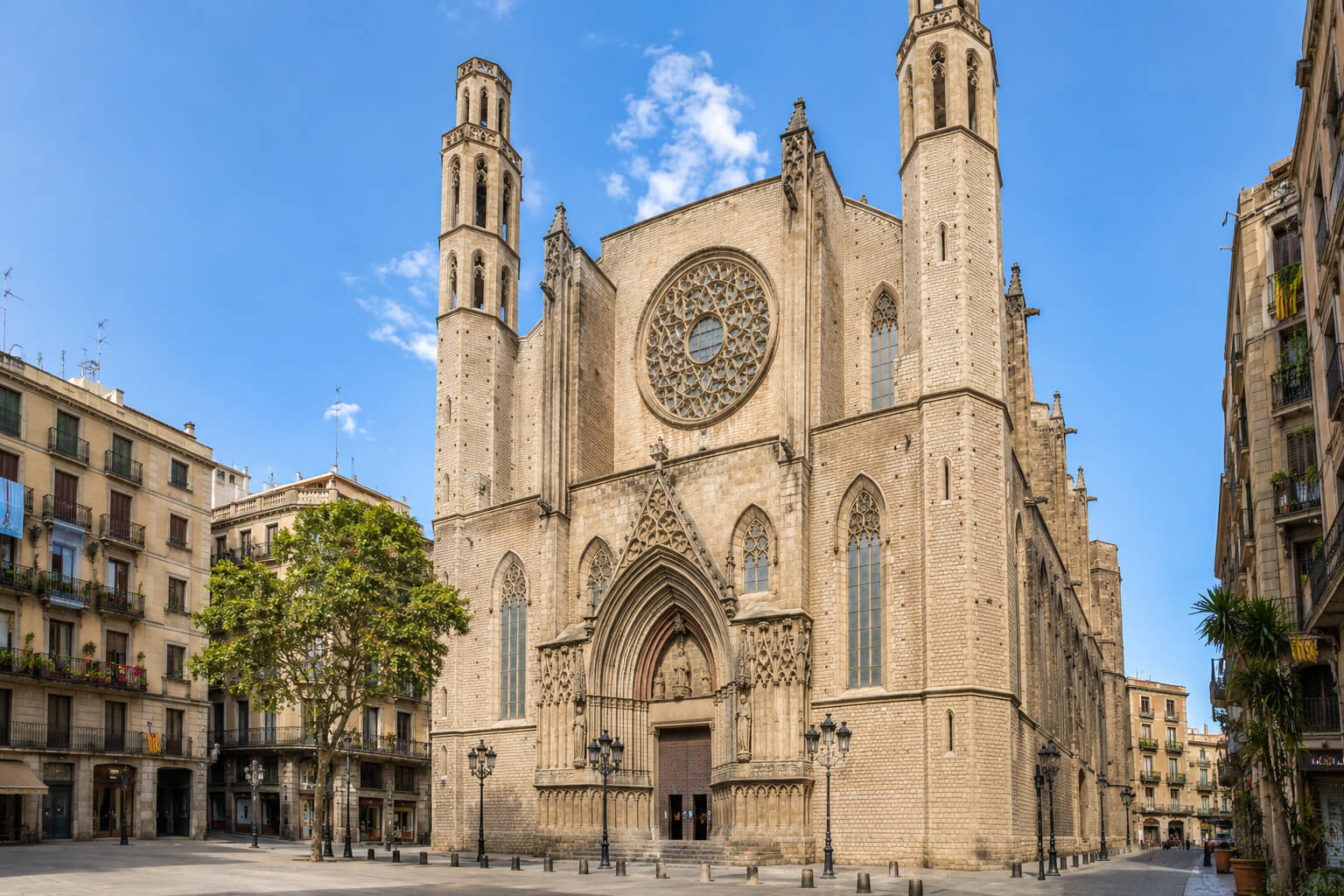
The afternoon is the perfect time to visit the Basílica de Santa María del Mar, the jewel of 14th-century Catalan Gothic. Unlike the Cathedral, the architecture here is pure and clean — no later additions to distract the eye. The afternoon light streams through the stained glass windows and creates an atmosphere that is hard to forget.
Made famous by Ildefonso Falcones’s novel The Cathedral of the Sea, it draws millions of visitors a year but never loses its character as a living neighbourhood church.
Opening hours: Monday to Saturday 9:00–20:30, Sundays 10:00–20:00.
Wandering through El Born
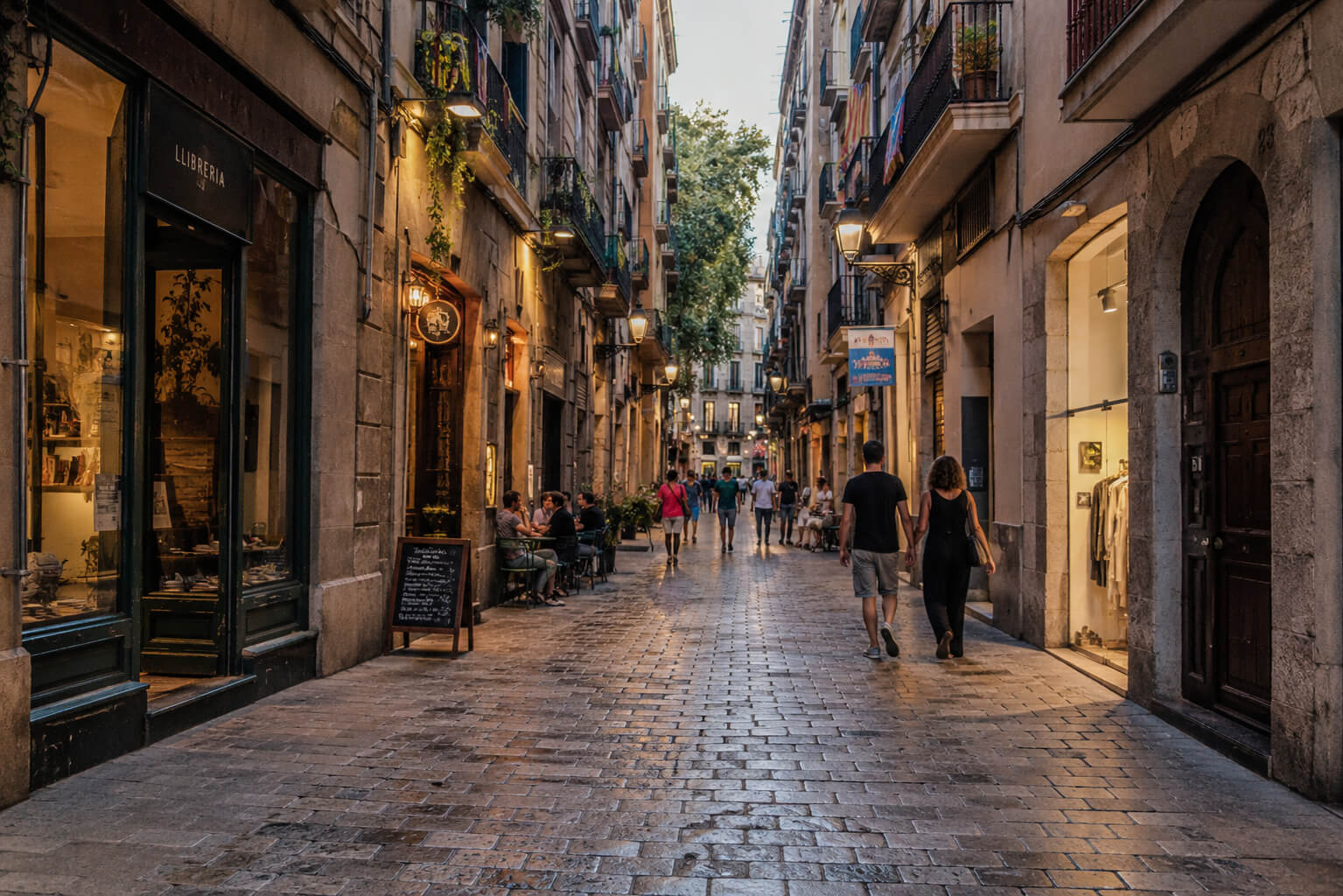
El Born is not a neighbourhood you see — it is one you walk. After the museums, the best thing you can do is get lost in its medieval streets with no fixed destination: Passeig del Born, Carrer del Rec, Plaça de Santa Maria, Carrer de les Flassaders. Independent boutiques, art galleries, small bookshops and bar terraces that fill the pavements from 17:00 onwards.
Arc de Triomf and Parc de la Ciutadella
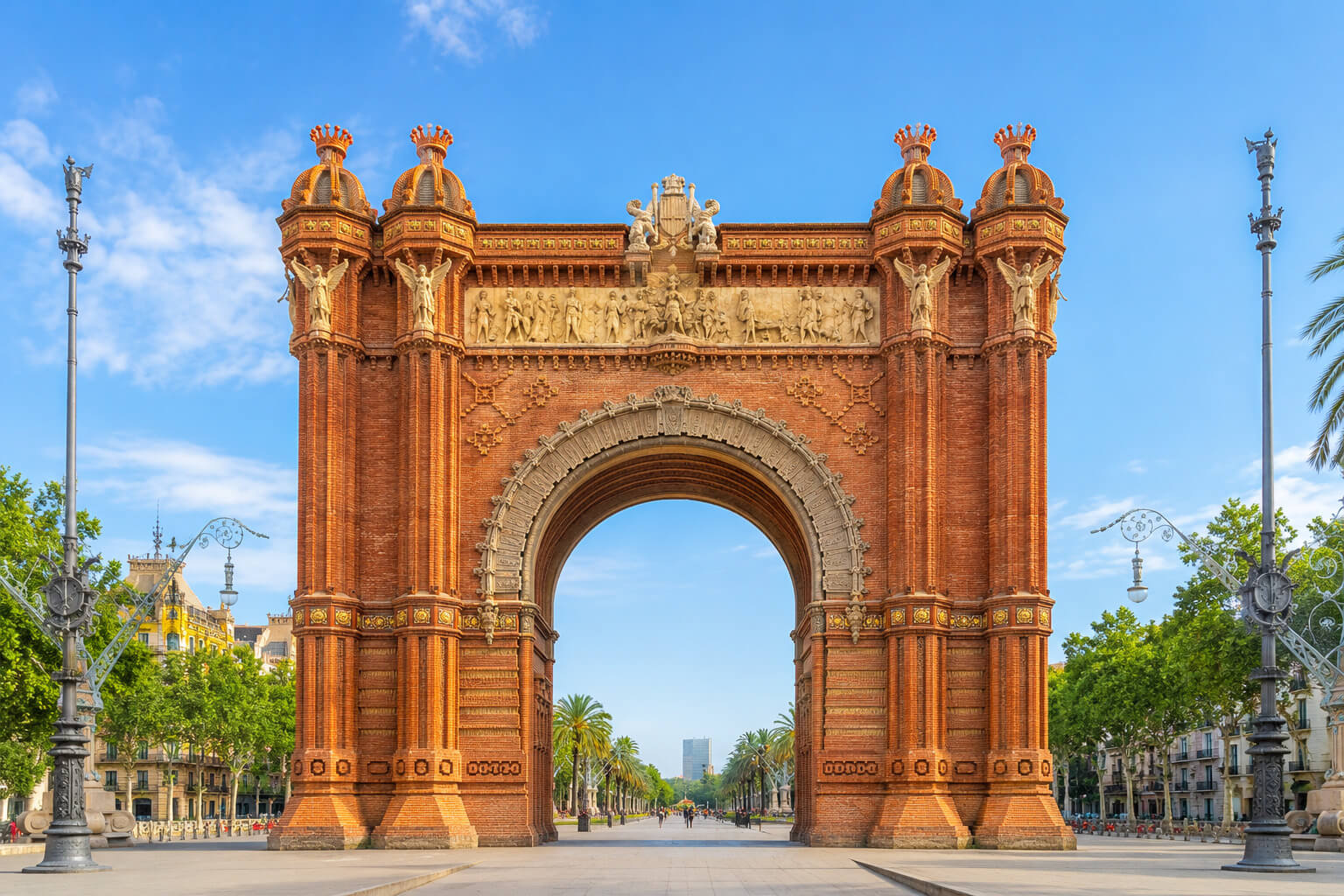
Ten minutes’ walk from the heart of El Born, the Arc de Triomf marks the entrance to Parc de la Ciutadella — the green lung of Ciutat Vella. Perfect for a rest, renting a rowing boat on the lake or simply sitting on the grass before the evening part of the day begins.
El Born at Night: Palau de la Música and Gelato
Palau de la Música Catalana
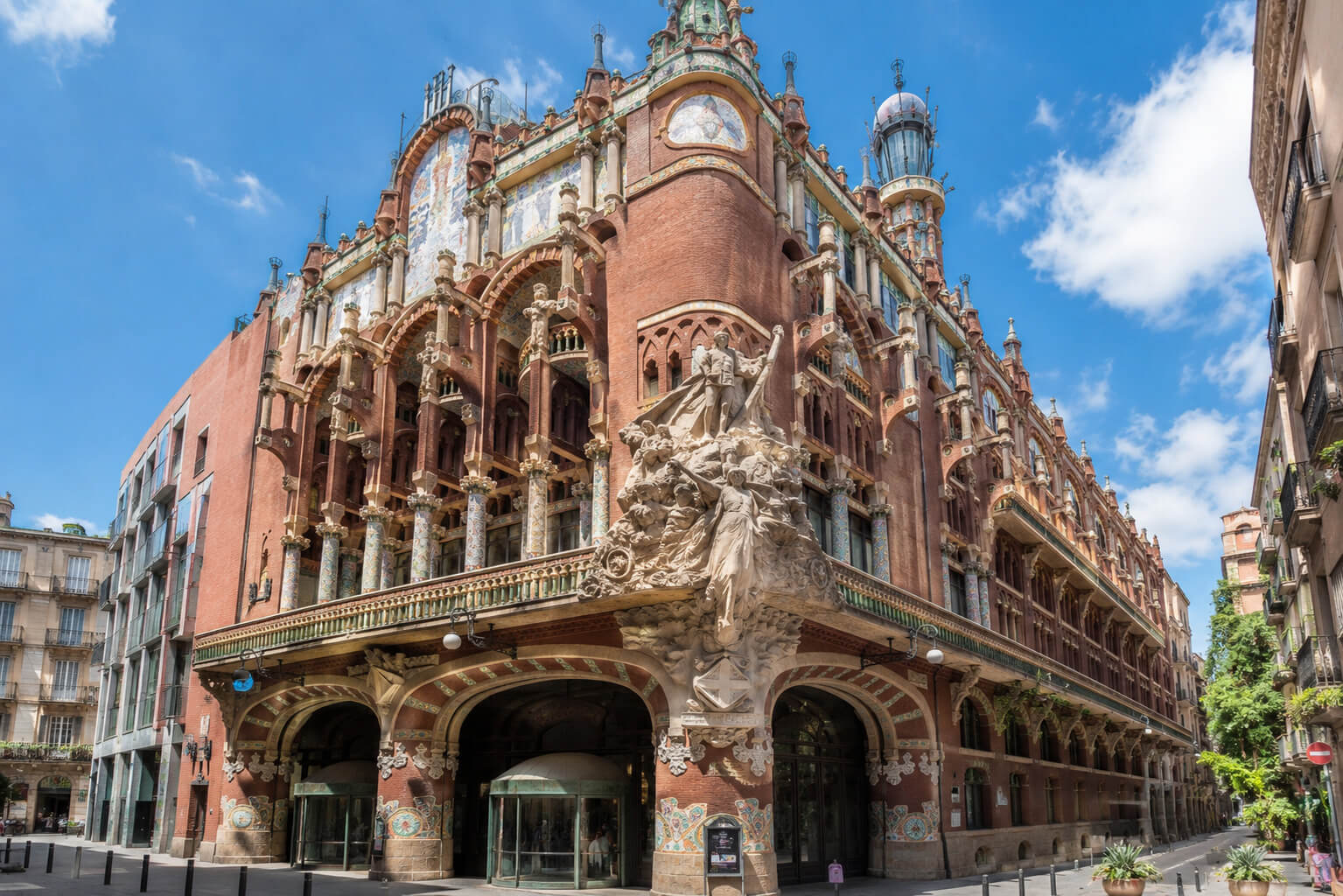
The perfect way to close the day in El Born is the Palau de la Música Catalana, a UNESCO World Heritage Site. Designed by Lluís Domènech i Montaner in 1908, it is the masterpiece of Catalan Modernisme — an explosion of ceramics, stained glass and sculpture that seems impossible from the inside.
You have two options: attend one of the concerts on their programme (from classical music to jazz and flamenco, with tickets from €20) or take a guided tour during the day to see the interior without a concert. Either one is absolutely worth it.
Guided tours: every day from 9:00 to 15:30.
Gelato at La Palau: the Perfect Ending
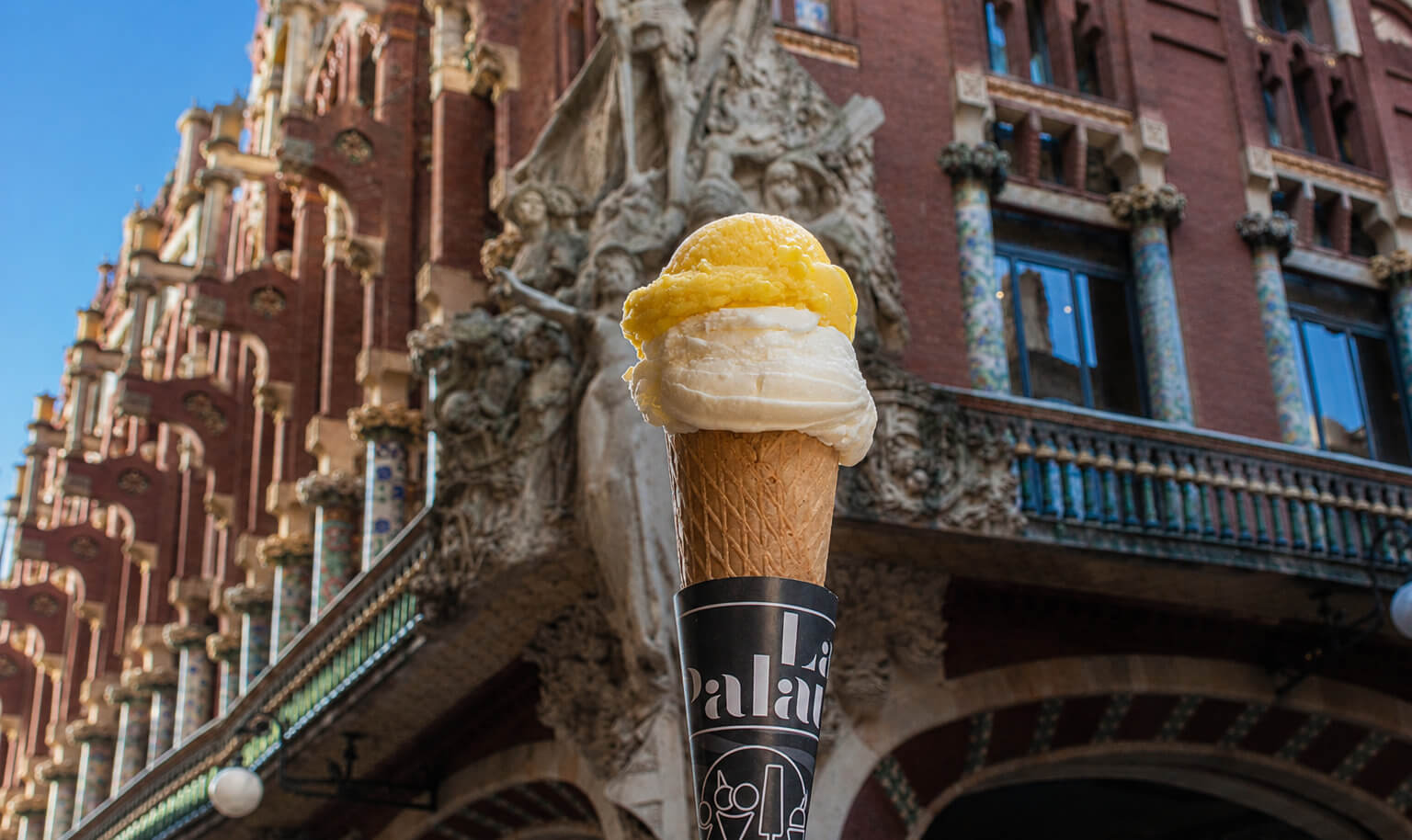
Right across from the Palau de la Música, at Carrer de Sant Pere Més Alt, 14, is La Palau — our artisan Italian gelato shop. After a concert or a visit to the Palau, crossing the street for a gelato is the perfect way to end a day in El Born.
The gelato is crafted by Menodiciotto, a workshop founded in Turin in 1986 by master gelato maker Luca Grassi, using 100% natural ingredients and no preservatives. Over 80 flavours, with gluten-free, vegan and lactose-free options. We’re open every day from 12:00 to 23:30 — always in time after a concert.
Check all flavours on our menu or come by directly — we’re right across the street.
How to Get to El Born
El Born is easily accessible from anywhere in Barcelona:
- Metro: Jaume I (L4) and Barceloneta (L4), both less than 5 minutes on foot. Urquinaona (L1 and L4) for the Palau de la Música area.
- Bus: several lines run along Via Laietana and Passeig de Pujades.
- On foot: 10 minutes from Las Ramblas, 15 from Passeig de Gràcia.
- Bicing: multiple bike-share stations throughout the neighbourhood.
Frequently Asked Questions
How long do you need to visit El Born?
A full day is ideal to see everything at a relaxed pace. If you only have half a day, prioritise Santa María del Mar, the Mercat del Born and Passeig del Born.
What is the best time of year to visit El Born?
El Born works all year round, but spring (April–June) and autumn (September–October) are the best months: good weather without the extreme summer heat or the August crowds.
Do you need to book the Picasso Museum in advance?
Yes, especially during high season (June–September) and on weekends. Without a reservation you may face queues of over an hour.
Are there options for dinner in El Born?
El Born has one of Barcelona’s best dining scenes: from traditional tapas to contemporary Catalan cuisine restaurants. Passeig del Born and the surrounding streets concentrate the widest choice.
Where to get ice cream in El Born?
At La Palau, right across from the Palau de la Música Catalana, at Carrer de Sant Pere Més Alt, 14. Artisan Italian gelato, over 80 flavours, open every day until 23:30.
Is El Born safe at night?
Yes. El Born is one of Barcelona’s liveliest and safest neighbourhoods at night, with plenty of people around well into the early hours.